Perceived Effects of Residential Design on Mental Well-Being: A quasi-experimental study.
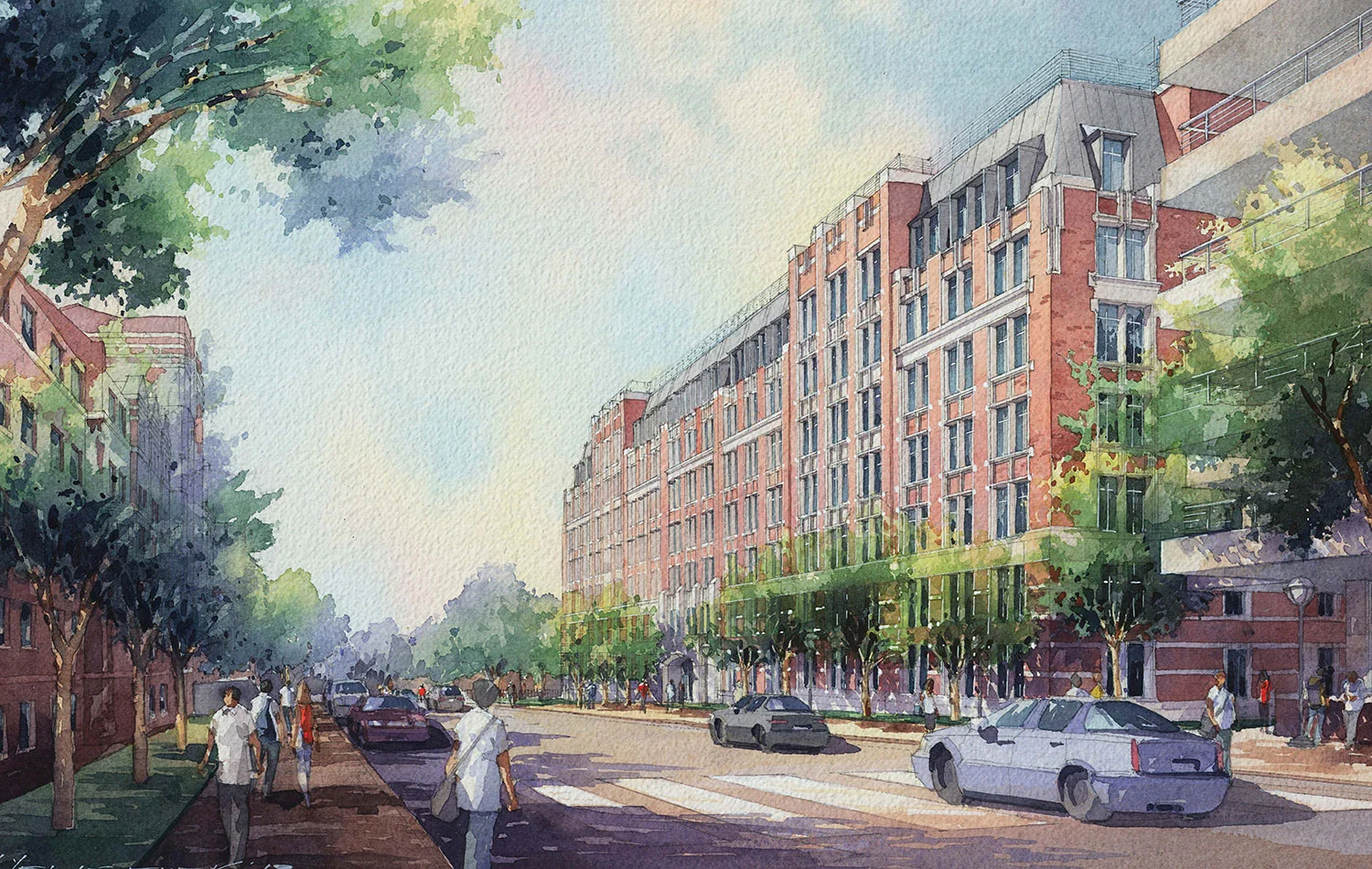
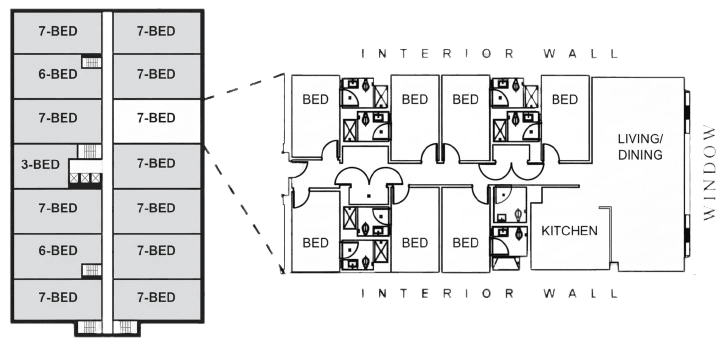
Graduate students often face high levels of stress, isolation, and environmental fatigue. The University of Michigan’s Munger Graduate Residences, intended to foster collaboration through shared suites, houses over 600 residents.
This project explores how such spatial design decisions influence mental and social well-being (MWB), combining environmental psychology, human-centered design, and systems thinking to propose evidence-based design improvements.
Client:
Munger Graduate Residencies
My Role:
Research Assistant
Year:
2025 (On Going)
Service Provided:
UX Researcher & Designer
Why this study matters?
Graduate housing often prioritizes density over daylight and social cohesion. In Munger Residence, 87% of bedrooms lack windows a condition that can severely affect mood, focus, and connectedness.
Research Framework & Methodology
A mixed-methods approach was adopted integrating quantitative data for measurable validation and qualitative data
for human insight.
A survey was distributed to 2,295 graduate students (618 Munger residents, 1,677 non-Munger). The survey measured well-being using three validated scales:
Attentional Function Index
Positive and Negative Affect Schedule (PANAS)
Social Connectedness Scale
Statistical comparison using multiple linear regression revealed that Munger residents scored lower in attentional function and social connectedness, identifying clear gaps in environmental and emotional outcomes.
These findings provided the foundation for the second, qualitative phase, which explored the why behind these quantitative differences.
Phase 1: Quantitative Analysis
To deeply understand the lived experiences driving
these results, the second phase employed a qualitative, inductive approach grounded in thematic content analysis.
Data Collection
Conducted 8 focus groups with 30 Munger residents, each lasting about one hour.
Discussions explored how spatial design such as lighting, layout, and privacy shaped daily experiences and emotional well-being.
Sessions were recorded, transcribed, anonymized, and coded for analysis guided by frameworks from Hayward et al. (2015) and Kleinheksel et al. (2020).
Phase 2: Qualitative Analysis (Core of the Study)
Qualitative Analysis
The qualitative phase was the heart of this project designed to uncover nuanced, human experiences that numbers alone couldn’t explain.
Eight semi-structured focus groups (6–8 participants each) to understand how residents perceived their environment’s impact on mental well-being.
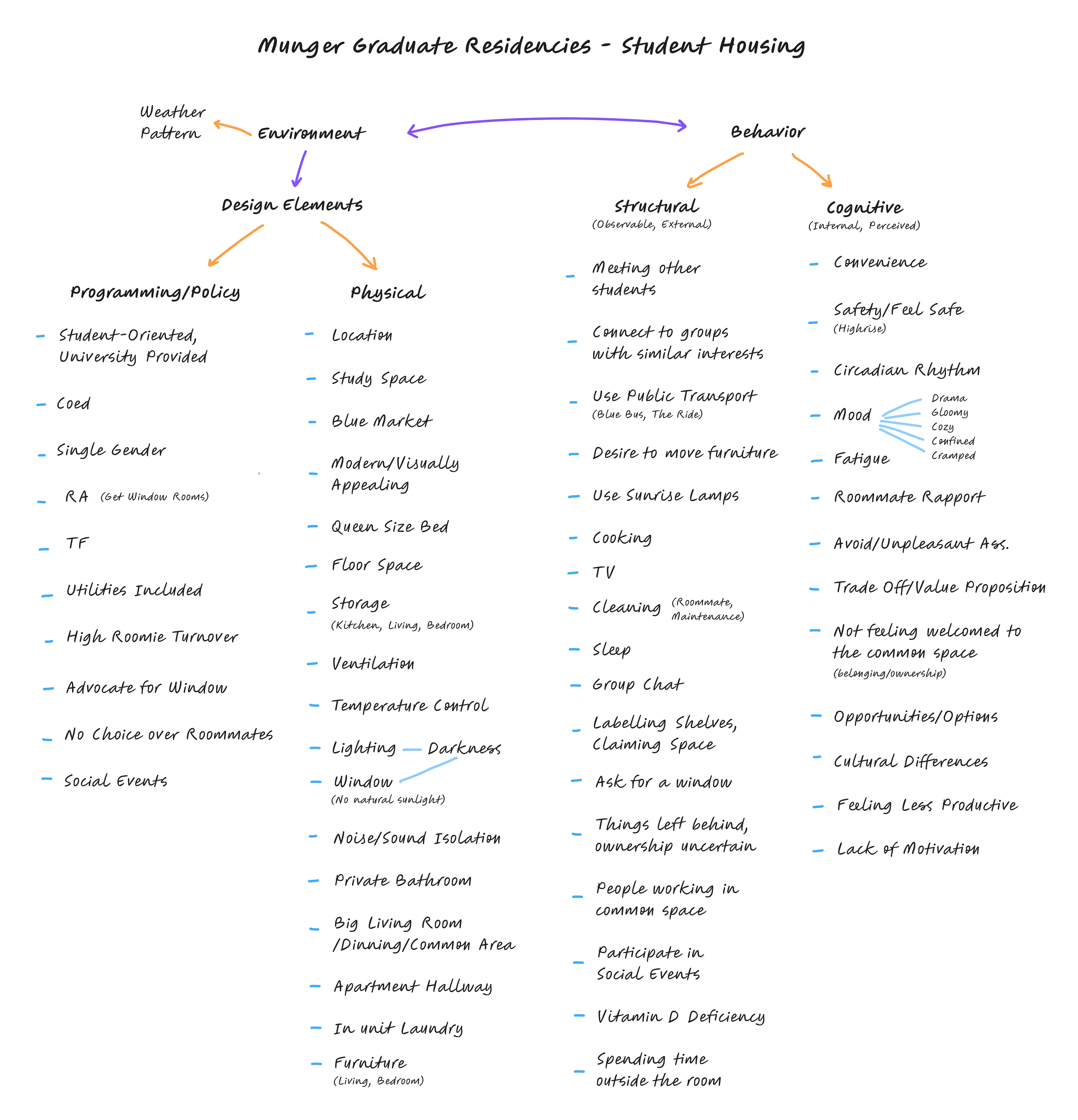
The transcript analysis began with an immersive review to identify meaningful segments or “units of meaning” short phrases capturing key ideas (Kleinheksel et al., 2020). These segments were then extracted and visually mapped using a brainstorming-style mind map to reveal relationships and initial patterns. This inductive process allowed both surface (manifest) and deeper (latent) themes to emerge, providing contextual understanding of participant experiences.
Through iterative comparison and interpretation, themes were grouped into broader conceptual categories, forming an initial codebook that organized and guided subsequent analysis. This systematic approach aligns with established qualitative methods for interpreting lived experience within large textual datasets.
Themes emerging: Light, Privacy, Layout, Social Dynamics, Control
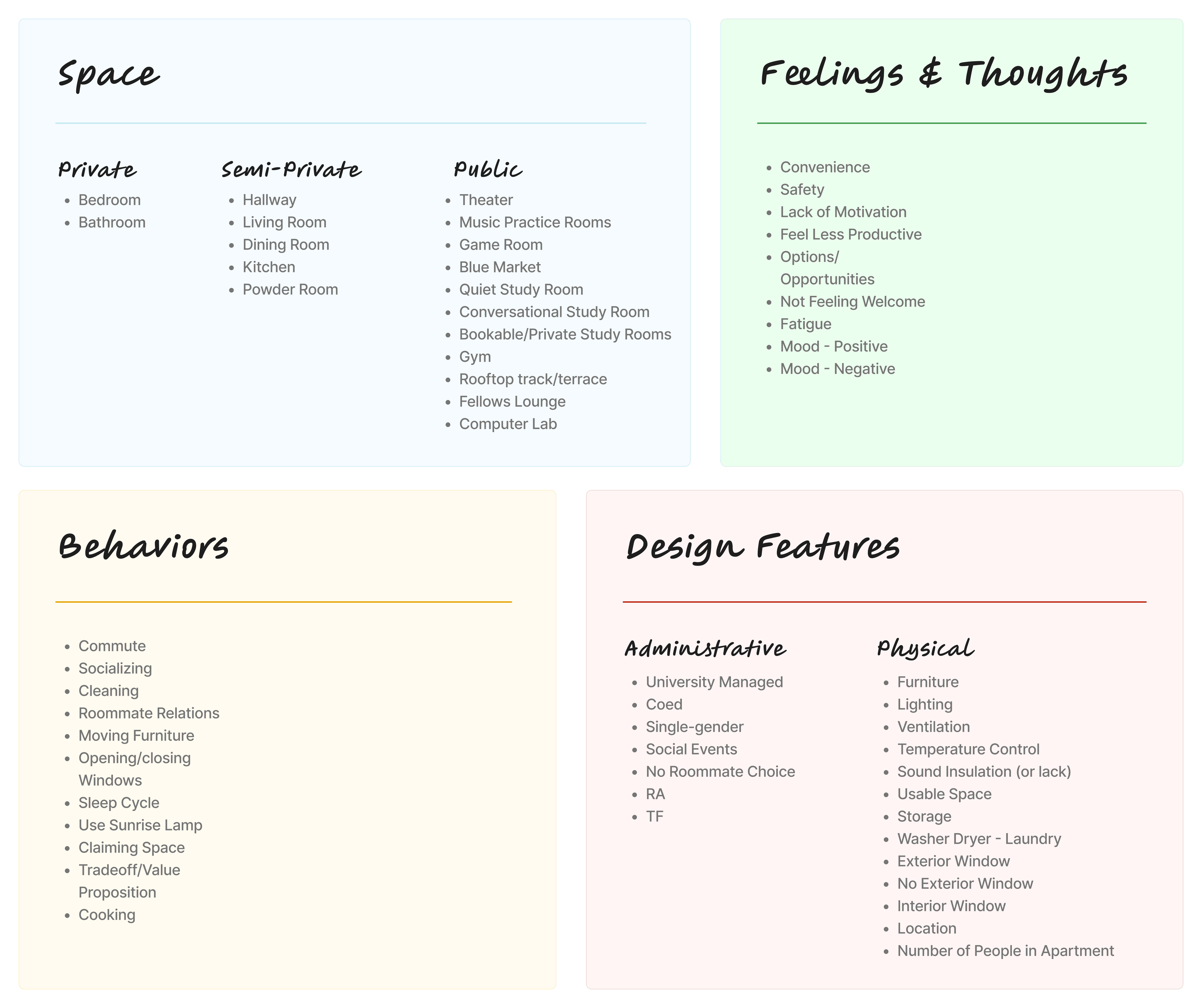
Content Analysis
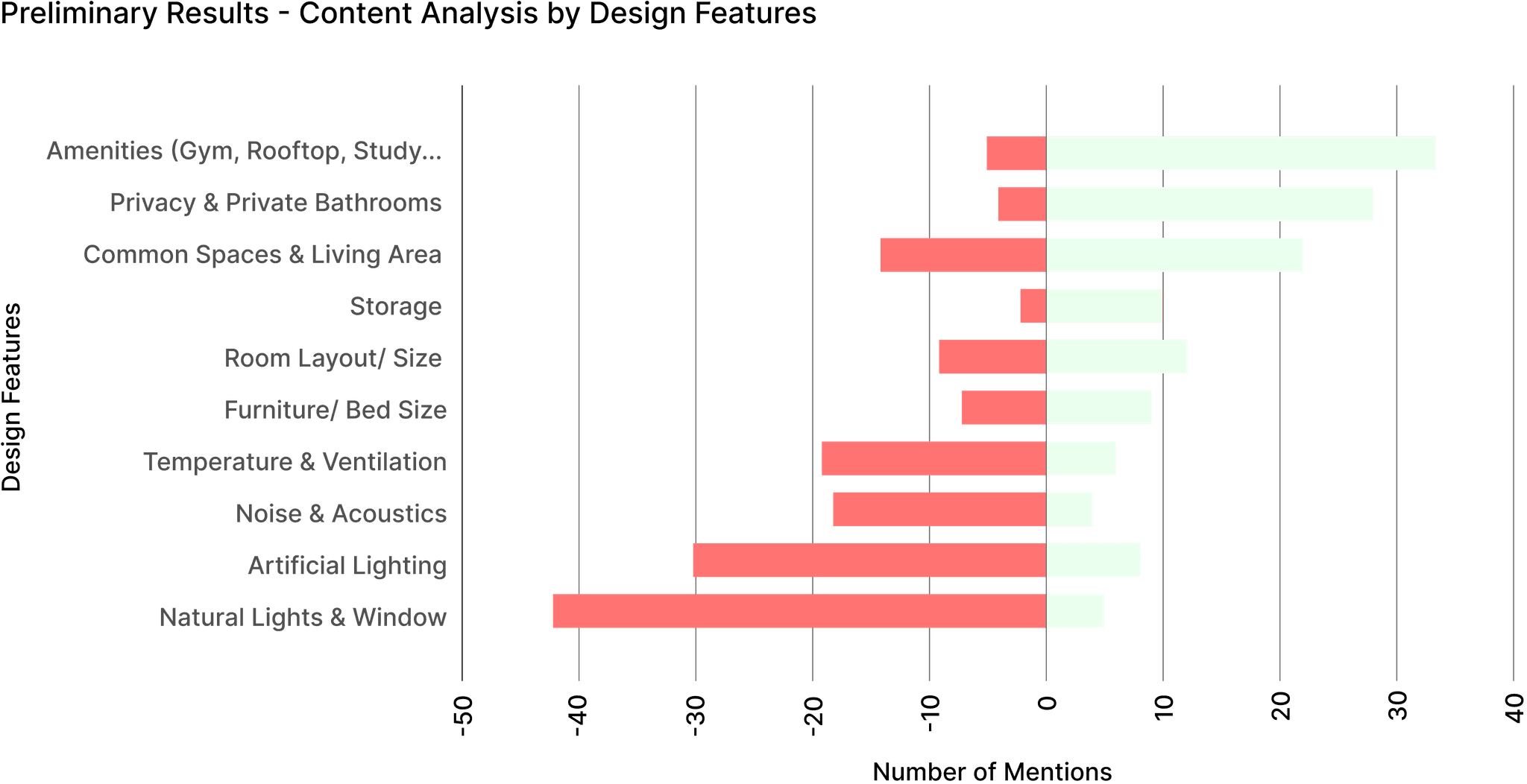
Through iterative coding and consensus meetings, recurring themes were distilled into higher-order patterns linking design features → feelings → behaviors → mental well-being outcomes.