
CT Inventory Management System
*This Project is under a NDA
Fedex, a global services leader, needed to redesign its
CT Inventory Management System a core internal platform used by logistics and operations teams to track hardware, customers, and solutions across continents.
The legacy system suffered from low usability, inconsistent workflows, and heavy cognitive load, resulting in slower task completion and frequent navigation errors.
Client:
Fedex
My Role:
Product & Interaction Designer
Year:
2022
Service Provided:
System Design, Web Design
Problem Statement:
How might we create a data-centric, intuitive control panel that simplifies complex industrial workflows, reduces user cognitive load, and improves efficiency for both admins and day-to-day users?
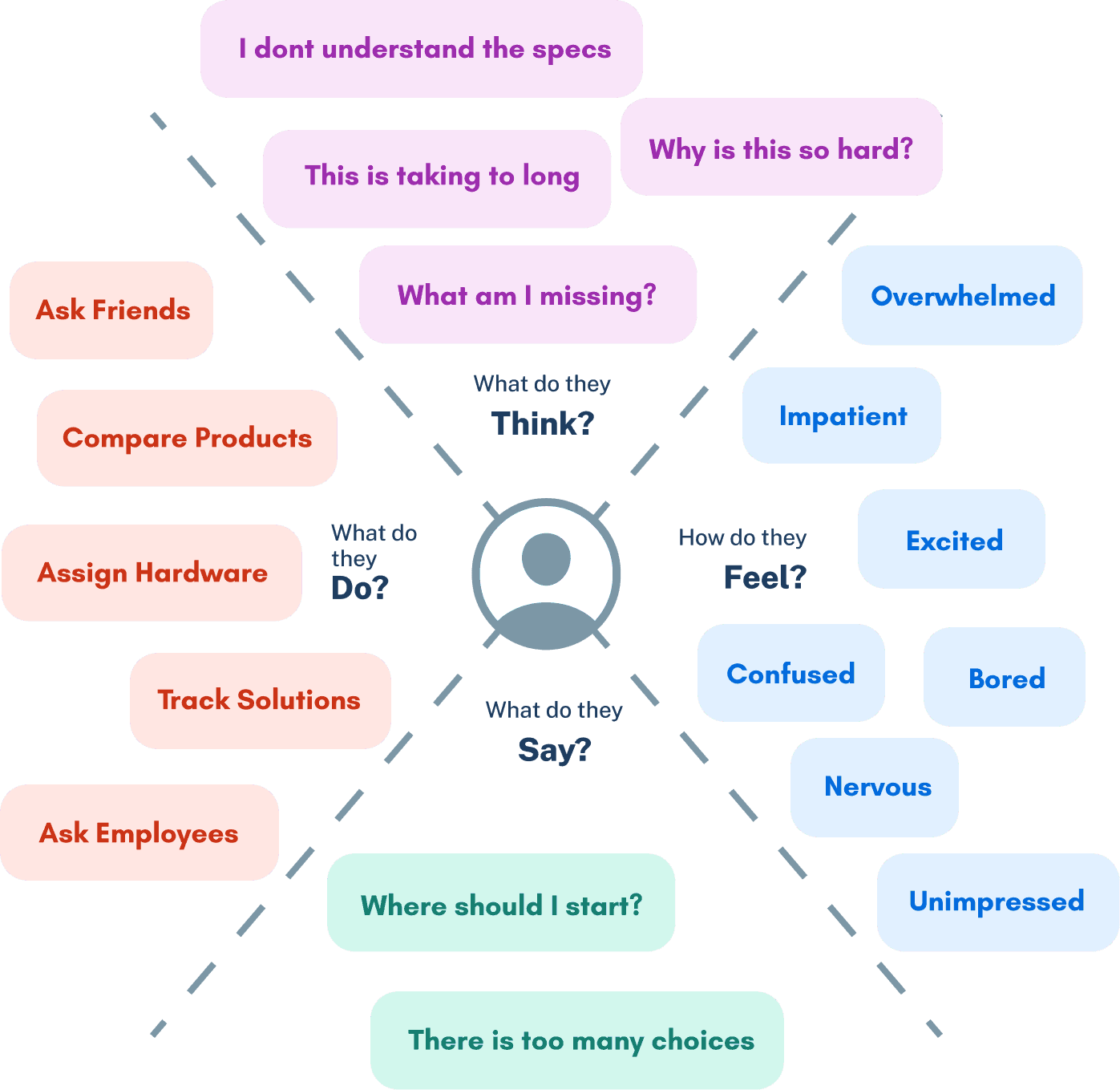
Conducted 8 stakeholder and user interviews with logistics managers, team leads, and IT specialists to understand workflows and frustrations.
Observed existing task flows to measure click density, navigation patterns, and interaction bottlenecks.
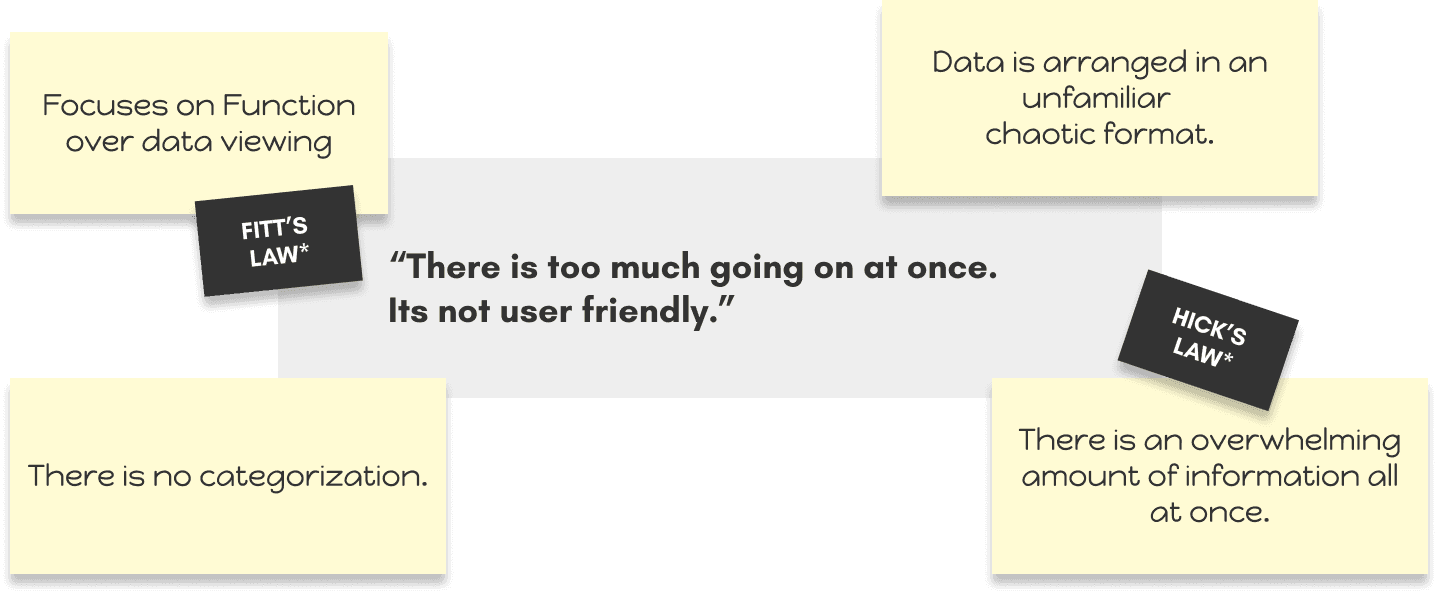
The existing control panel felt crowded and overwhelming users often described it as “too much happening all at once.” They wanted a calmer, more organized space to focus on tasks.
Lack of categorization and search made data retrieval tedious. Simple actions take longer and left room for errors.
Stakeholder Research :
Root Cause Analysis:
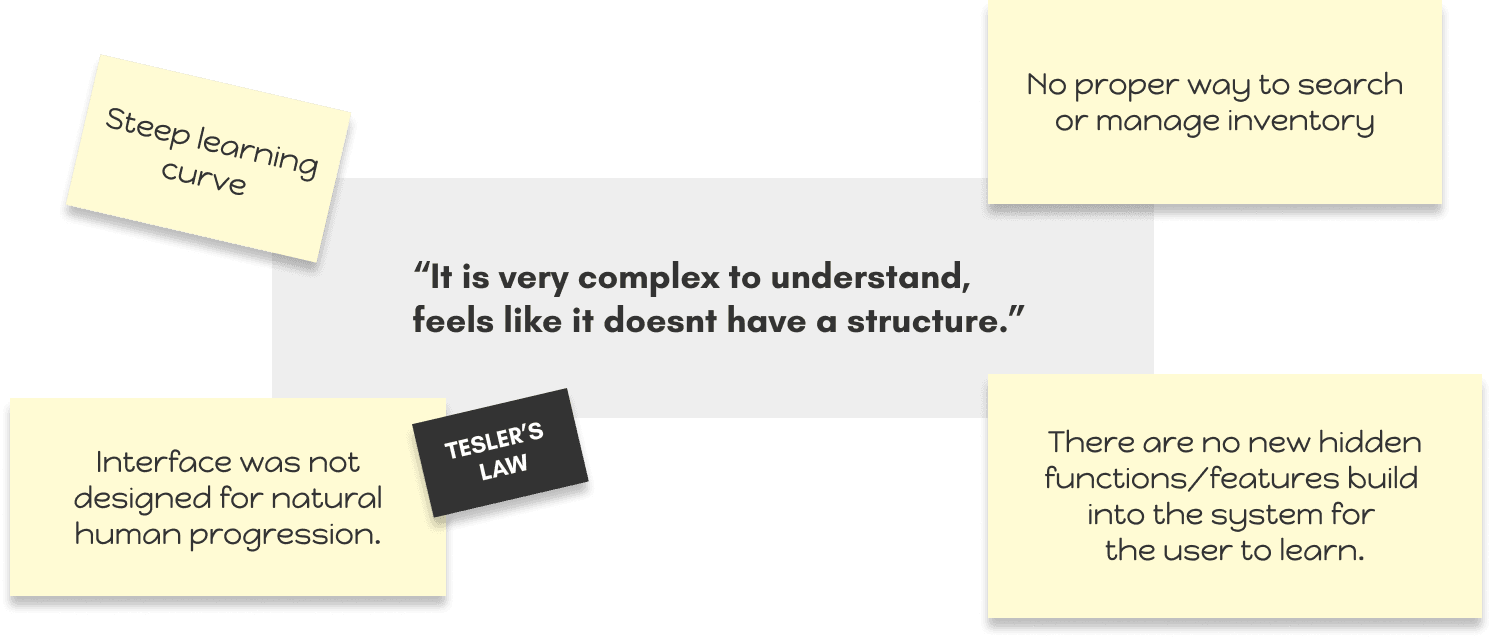
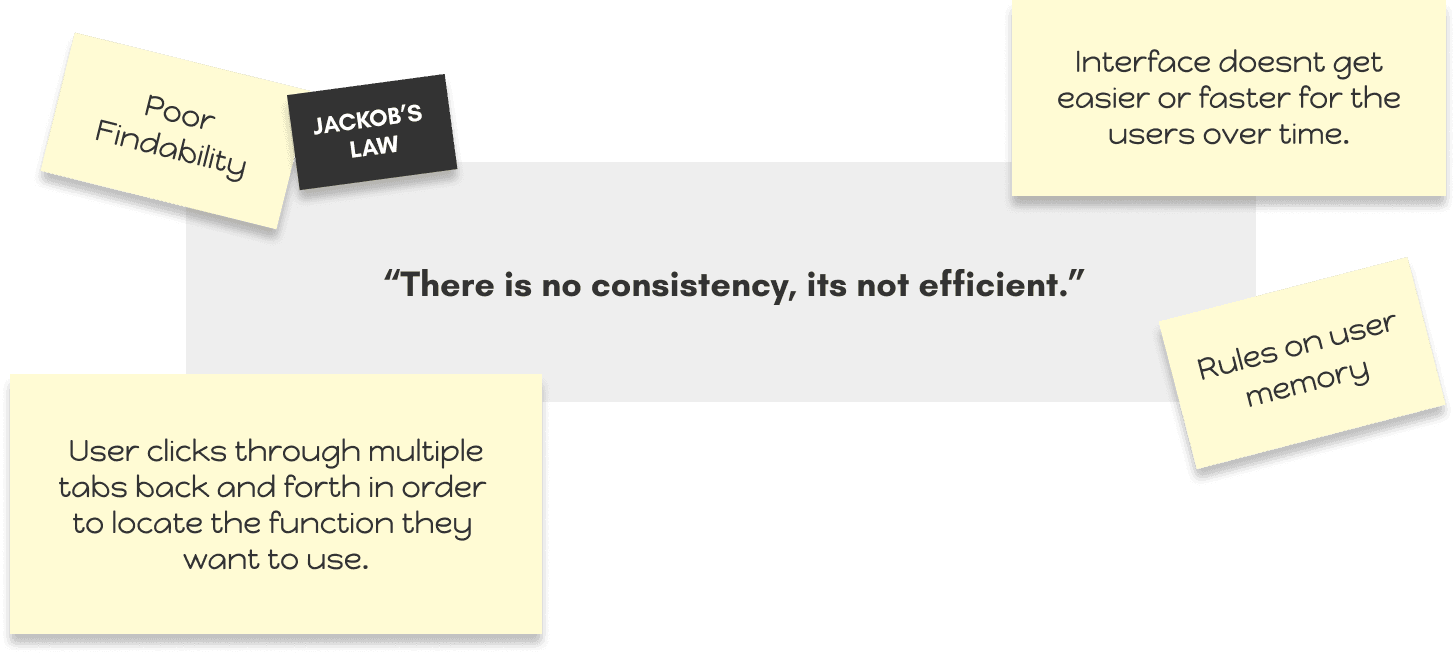
The existing system depends heavily upon user memory which adds to unnecessary cognitive load
and makes the system inefficient.New design could try to serve to the needs of the experienced as well as novice users as they will be spending time with the software and might be inclined to explore it to improve their performance.
The interface should be designed to promote the
data over the function, as viewing data is important to the users.Familiarity and Discoverability will only increase
usability when the functions of the “familiar” elements are the same.
Insights:
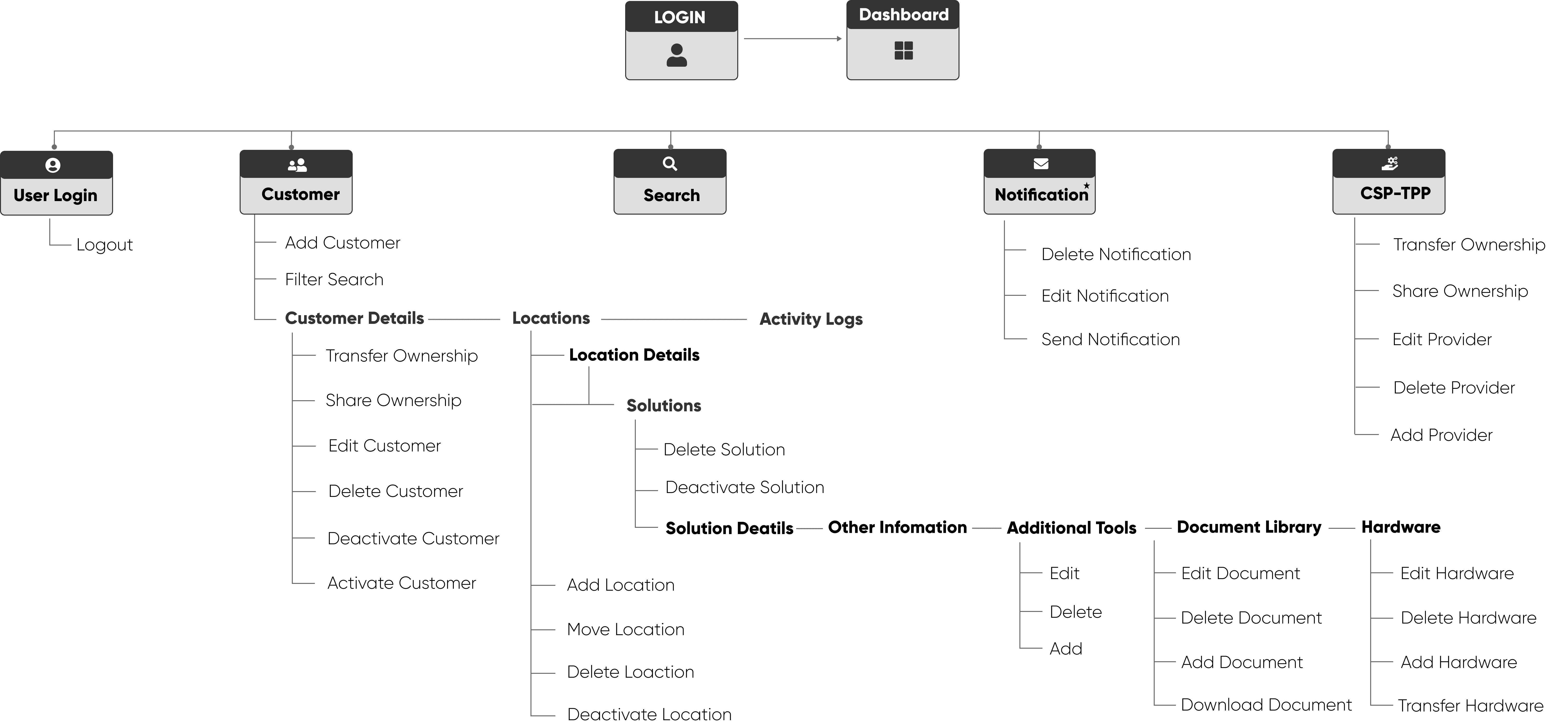
Information Architecture:
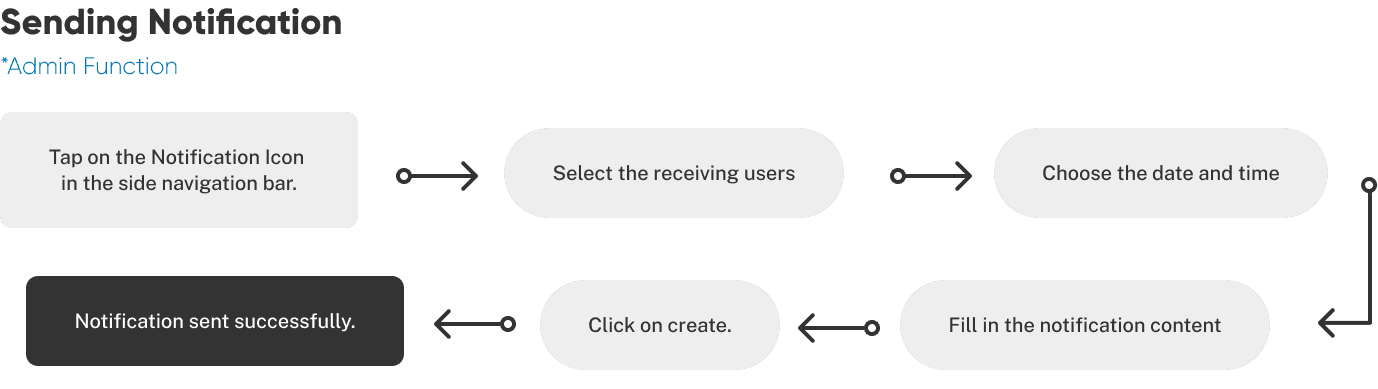
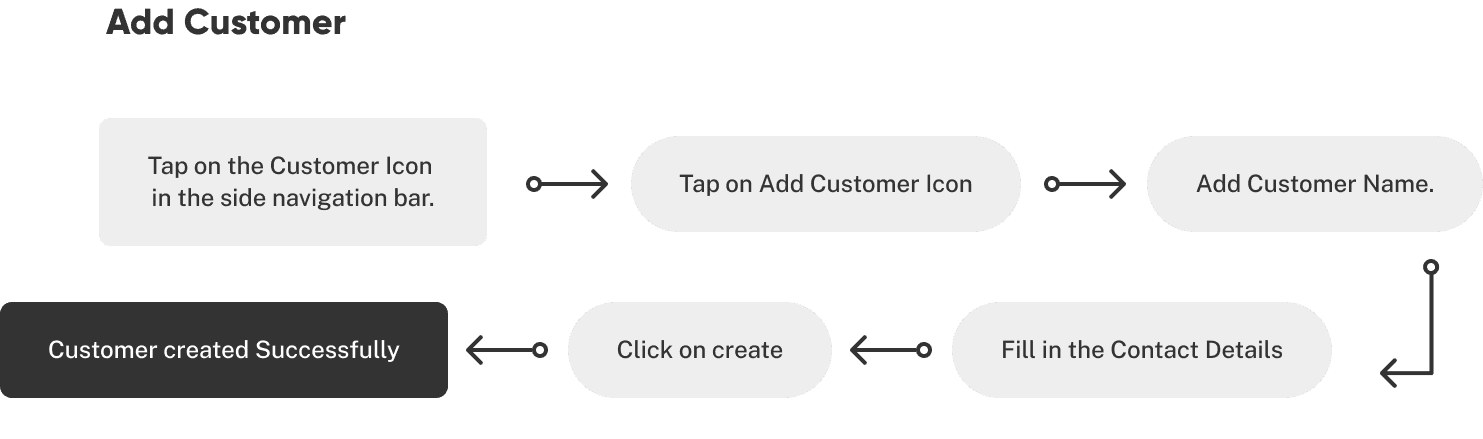
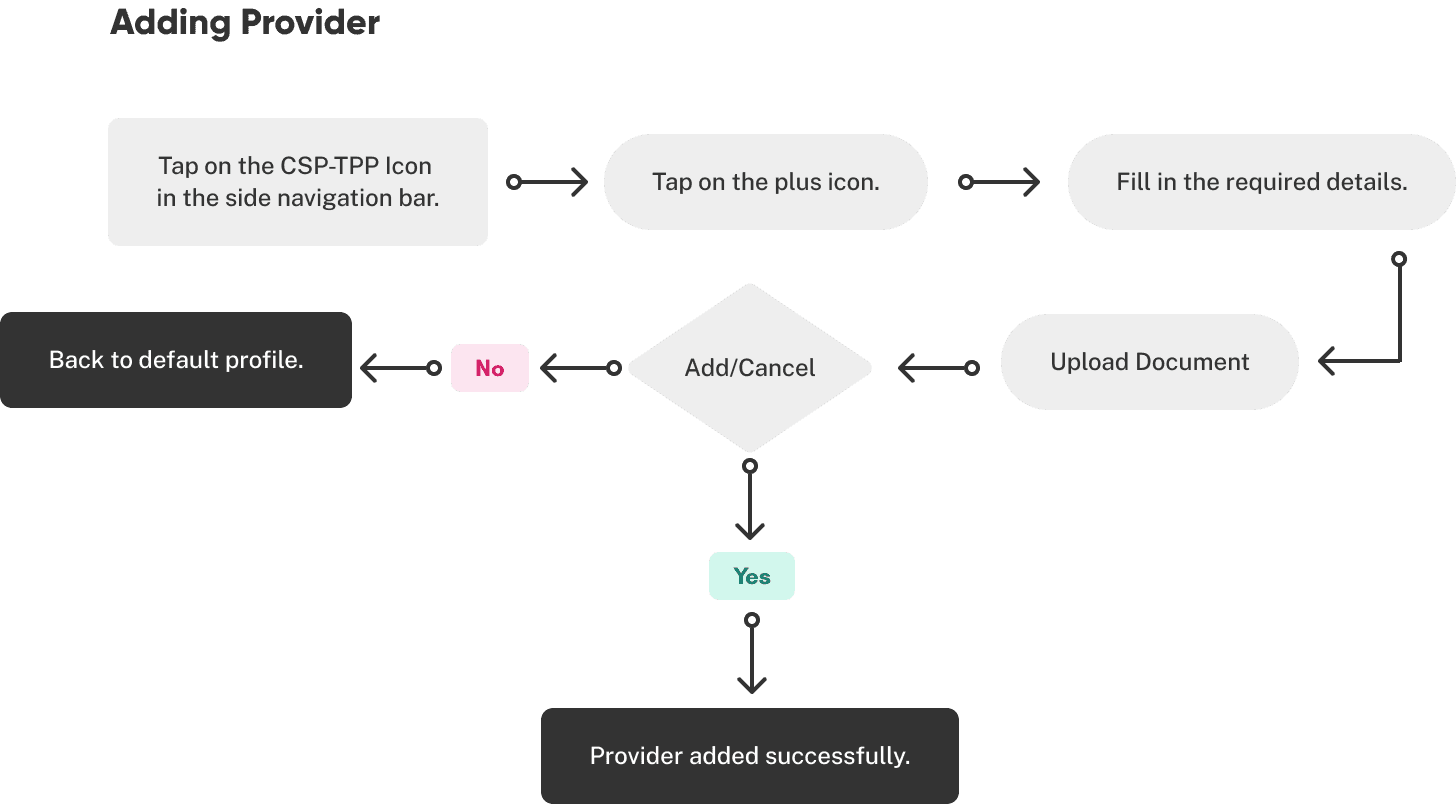
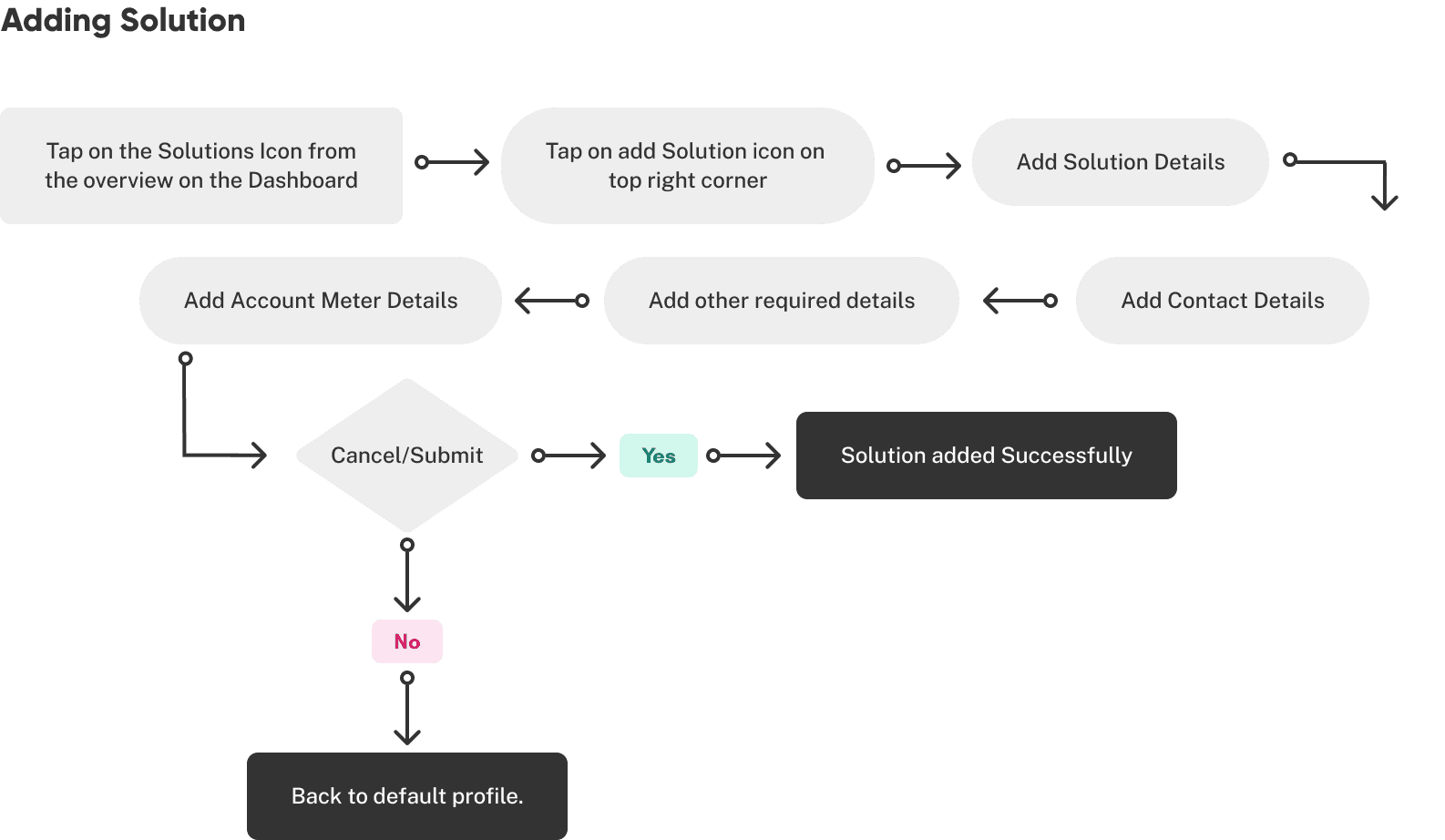
Proposed Task Flows:
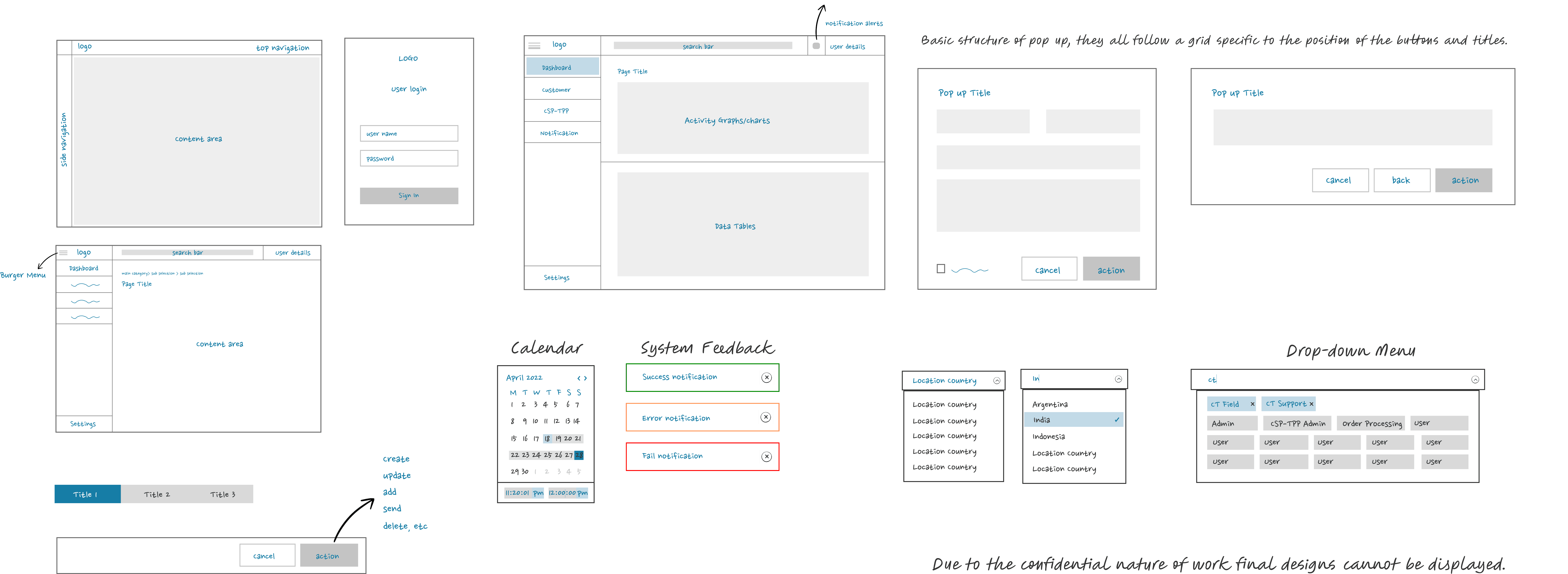
Design:
Outcome & Impact:
40 % faster task completion for daily users.
Significantly improved data discoverability and system learnability.
58 % reduction in clicks needed to complete a workflow.